
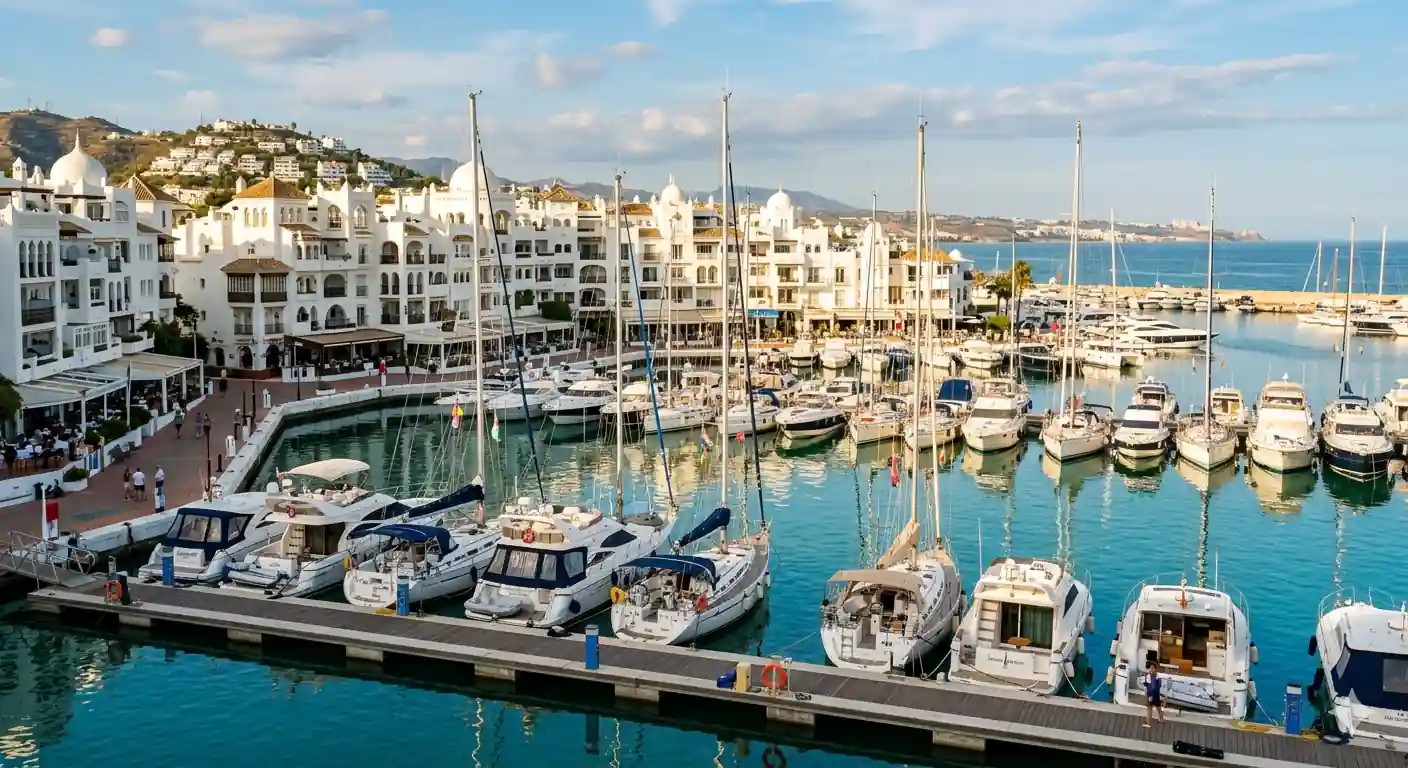
The Costa del Sol has historically been the nautical heart of Andalusia. However, the availability of berths has experienced a roller coaster ride since the 2008 financial crisis, marking a turning point in port management.
Understanding the evolution of moorings is not just about numbers; it's about understanding how Malaga has transformed into a luxury hub that now competes directly with destinations like the Balearic Islands or the French Riviera.
The resilience of Malaga's ports after 2008 has transformed berth scarcity into a high-value investment opportunity.
RumboMed Analysis
The 2008 Impact: Stagnation of Supply
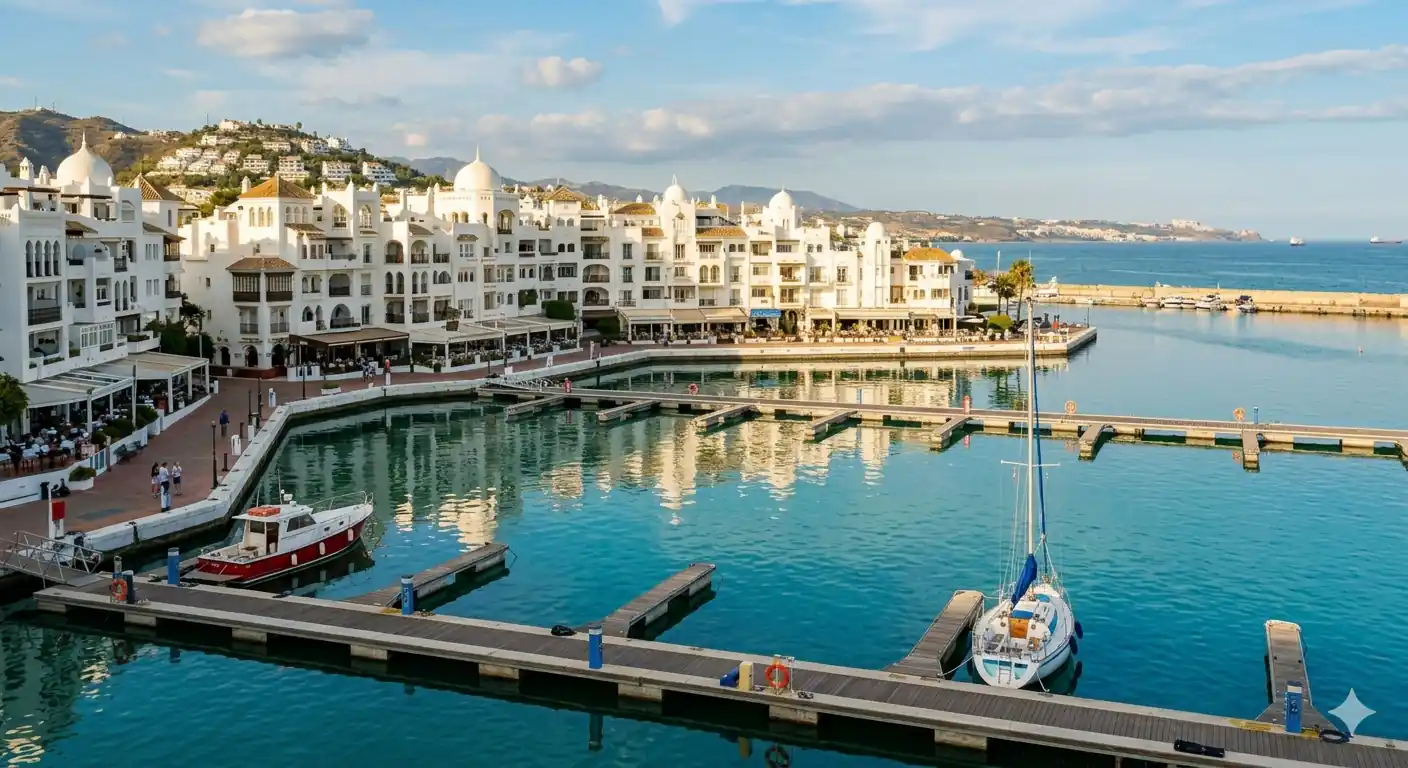
Following the 2008 crisis, the sector experienced almost total paralysis. Projects for new marinas or expansions of existing ones were halted due to a lack of financing and a drop in the purchase of medium-sized leisure boats.
Drop in Demand
The second-hand market became saturated and mooring turnover came to a standstill.
Projects on Standby
Key expansions in ports like Marbella or Estepona suffered delays of nearly a decade.
Recovery and Expansion: Towards Megayachts
From 2015 onwards, the trend shifted. The Costa del Sol stopped looking for simply "more berths" and focused on quality. The opening of facilities for large yachts, such as Muelle Uno and the megayacht marina in Malaga city, marked the start of a new era.
What has increased
- Berths for large yachts (>20m)
- Premium services and port concierge
- Digitalization of berth bookings
What has decreased
- Availability of small berths in high season
- Cheap long-term administrative concessions
- Environmental impact due to new regulations
Current Status: Demand Outstrips Supply
Today, the Costa del Sol has over 4,000 berths spread across 11 marinas. Despite optimization efforts, the waiting list for owned or long-term rental moorings continues to grow.
At RumboMed, we observe that this space limitation is increasing the value of existing berths, making them financial assets as sought after as luxury real estate on dry land.